Wisdom teeth and impacted teeth
Assessment for painful, partially erupted or impacted teeth, with general-dentist and specialist pathways depending on the position of the tooth and complexity of the case.
Explore wisdom tooth careOral & Maxillofacial Surgery in Singapore
For wisdom teeth, dental implants and more complex concerns involving the mouth, jaws and facial structures, your assessment should begin with the right records and a clear discussion of your options.
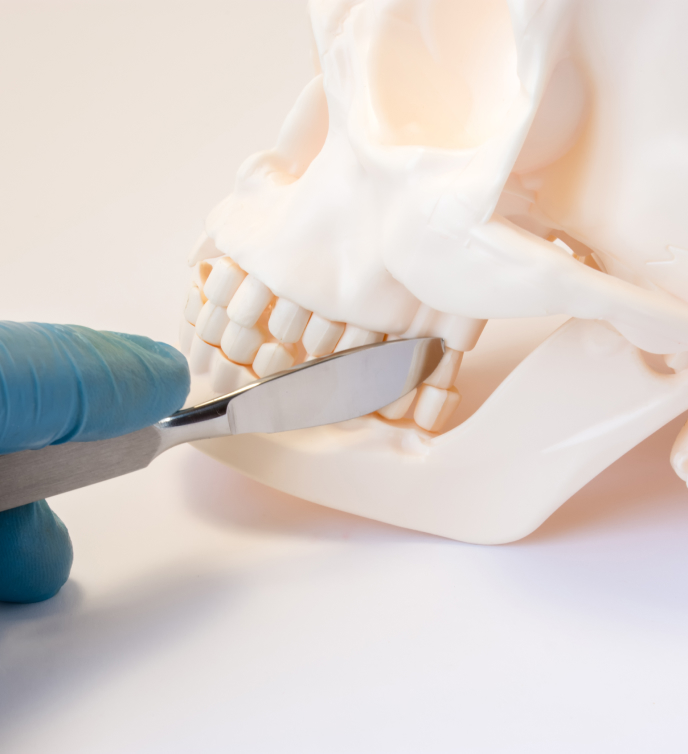
A specialist dental discipline
Oral and maxillofacial surgery (OMS) covers conditions affecting the mouth, teeth, jaws and nearby facial structures. Not every case requires a specialist. Your Teeth Q dental surgeon can assess the concern first and, where appropriate, coordinate care with an Oral & Maxillofacial Surgery specialist.
A review of your symptoms and medical history, a clinical examination, and appropriate dental X-rays or 3D imaging when clinically required. The findings, alternatives, risks, expected recovery and applicable fees should be discussed before you decide whether to proceed.
Treatment pathways
The two most common pathways have dedicated Teeth Q guides. Other concerns can begin with an OMS assessment so the next step is based on your clinical needs.
Assessment for painful, partially erupted or impacted teeth, with general-dentist and specialist pathways depending on the position of the tooth and complexity of the case.
Explore wisdom tooth carePlanning for replacement of missing teeth, including assessment of bone, gum health, bite and whether implant surgery or bone augmentation may be appropriate.
Explore dental implant careAssessment of persistent ulcers, lumps, cysts or other changes in the mouth and jaws, with biopsy or further investigation when clinically indicated.
Assessment of jaw-joint symptoms, restricted opening, facial pain and bite-related concerns to determine whether conservative care or specialist management is suitable.
Specialist assessment for selected jaw-position concerns, facial injuries and conditions that may require coordinated surgical and restorative care.
Procedures that may help prepare the mouth for dentures or other restorations, recommended only after a clinical assessment of the proposed treatment plan.
Assessment of selected structural and jaw-related factors where coordinated dental, medical or surgical input may be required.
For suitable cases, your surgeon can explain whether local anaesthetic, sedation or a hospital-based setting is appropriate, together with the related risks and fees.
What to expect
The exact sequence varies by condition and procedure. These three stages give you a clear starting framework.
Bring recent dental X-rays if you have them. Your clinician will review your concern, medical history and the records needed for diagnosis and planning.
Your clinician will explain suitable options, alternatives, material risks, expected recovery and fees before treatment is scheduled.
If you proceed, you will receive preparation and aftercare guidance, together with review arrangements appropriate to the procedure.
Oral & Maxillofacial Surgery team
Your clinician will recommend a care pathway based on the procedure and complexity of your case. Specialist availability varies by clinic and appointment.
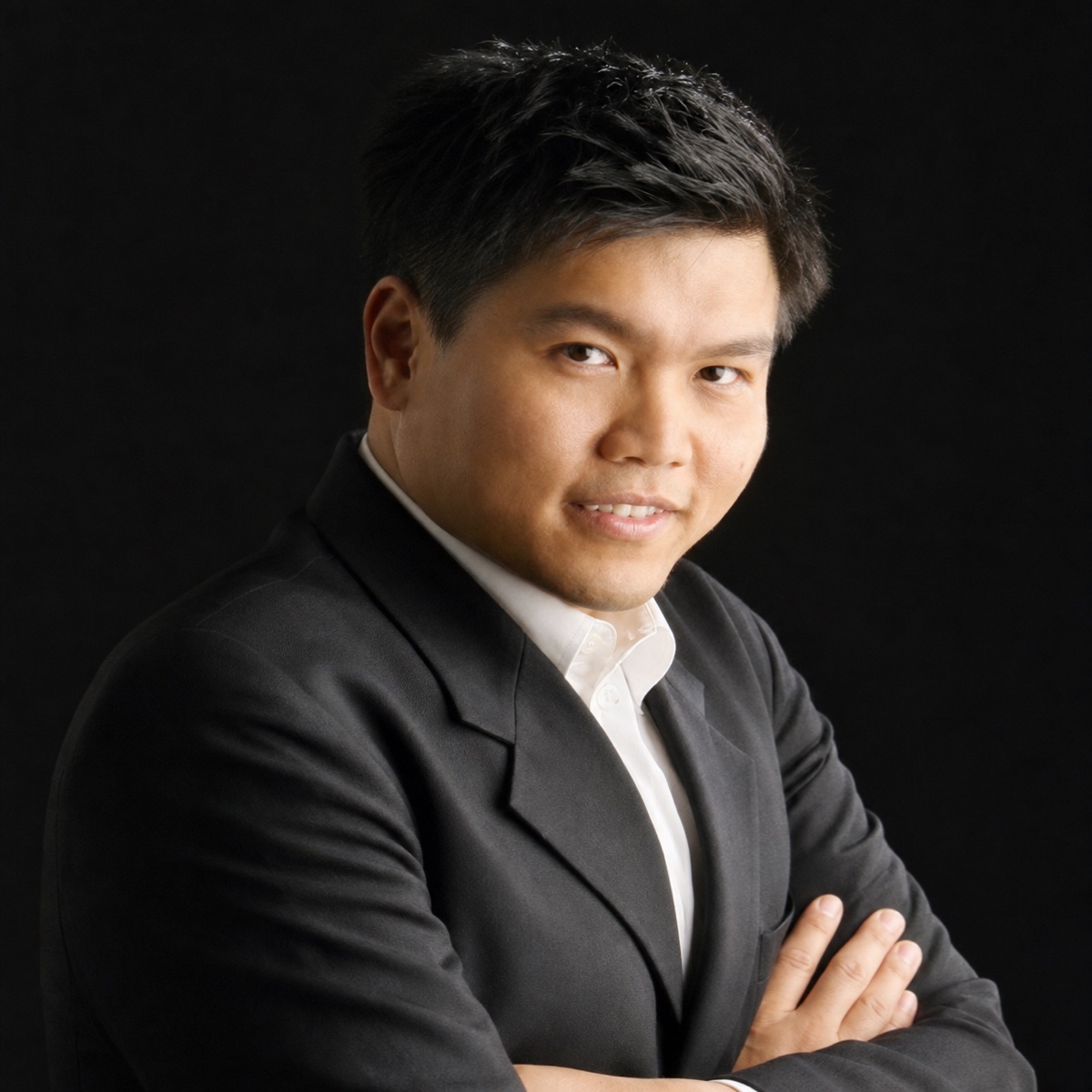
BDS (NUS), FRACDS, MDS (Oral & Maxillofacial Surgery, NUS), FAMS, with further implantology training at UCLA.
Consults at Hougang Green
View profile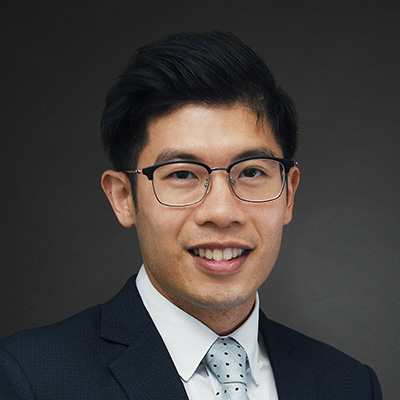
BDS (NUS), MDS (Oral & Maxillofacial Surgery, NUS), with specialist accreditation following advanced surgical training at NDCS.
Consults at Hougang RiverCourt
View profile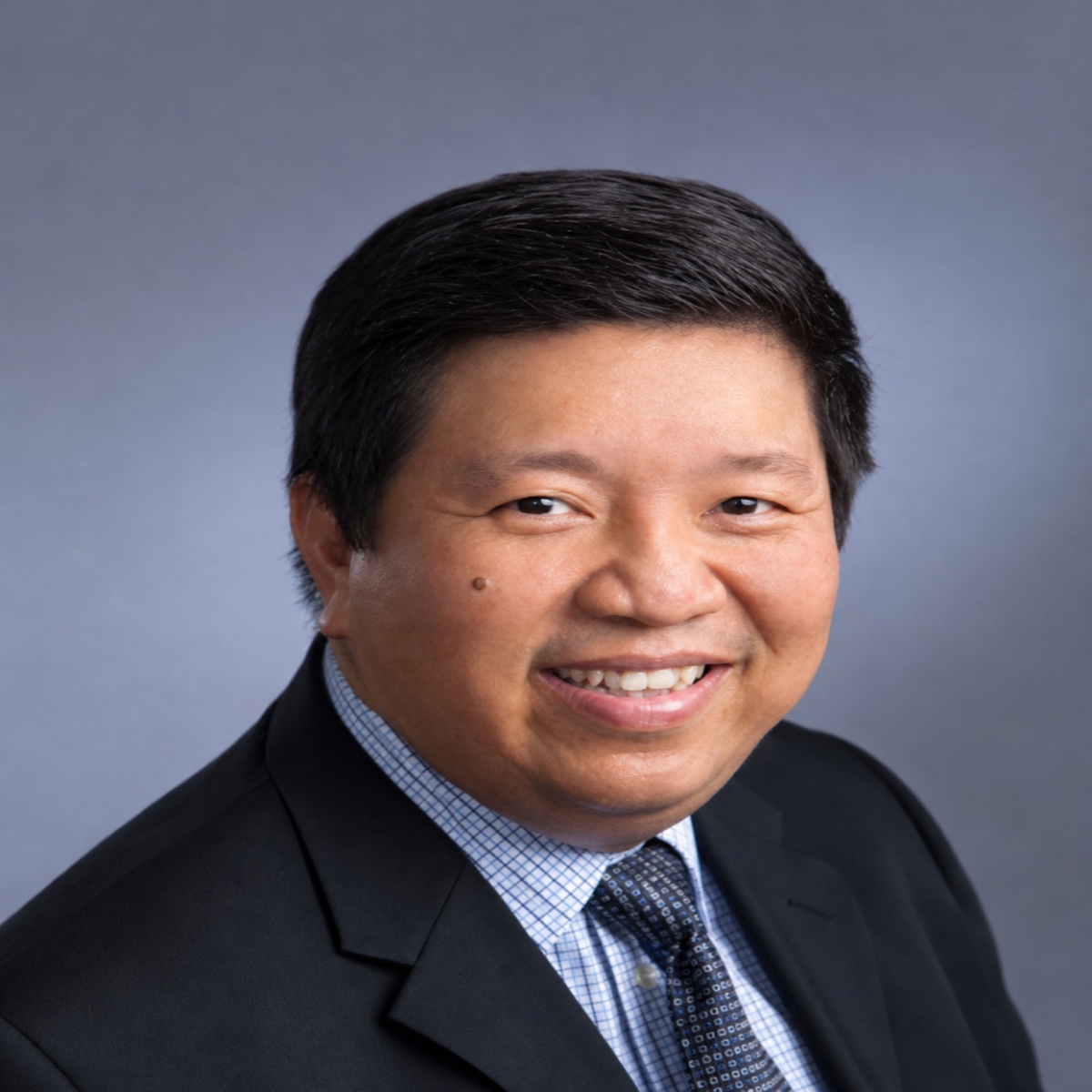
BDS (NUS), MDS (Oral & Maxillofacial Surgery, NUS), accredited with the Singapore Dental Council since 2009.
View profileClinical information reviewed by Dr Albert Lee, Oral & Maxillofacial Surgeon, on .
Making an informed decision
Fees vary with the condition, records required, treatment setting and complexity of the procedure. After assessment, the clinic should explain the proposed treatment and provide the applicable fee information before you decide whether to proceed.
Where a procedure is eligible, the team can explain MediSave claim arrangements and any amount payable, subject to prevailing rules and approval.
You can contact Teeth Q directly for an assessment. A referral may be useful when another dentist or doctor has already examined the condition, but it is not required for you to ask about an appointment.
Common questions
Your general dentist may recommend a specialist assessment when the condition or proposed procedure is more complex. You can also contact Teeth Q directly if you have been advised to seek an OMS opinion or have relevant X-rays to review.
The records depend on the concern. Existing X-rays may be reviewed, and further dental X-rays or 3D imaging will only be advised when clinically required for diagnosis or planning.
Sometimes a straightforward procedure may be possible on the same day, but this cannot be promised in advance. The clinician must first assess your medical history, examination findings, imaging, procedure complexity and appointment requirements.
Selected surgical procedures may be claimable from MediSave when the prevailing eligibility and documentation requirements are met. The clinic can explain the estimated claim and out-of-pocket amount after your treatment plan is confirmed.
Bring your identification, a list of current medicines, relevant medical information and any recent dental X-rays, scans or referral notes. Let the clinic know in advance about allergies, blood-thinning medicines or significant medical conditions.
Recovery varies by procedure, site, complexity and your individual healing response. Your surgeon will discuss the expected course and provide personalised aftercare instructions before treatment.
A clear first step
Tell us what you are experiencing and bring any recent dental X-rays. The team will guide you to the appropriate clinic and appointment type.