 Book an Appointment


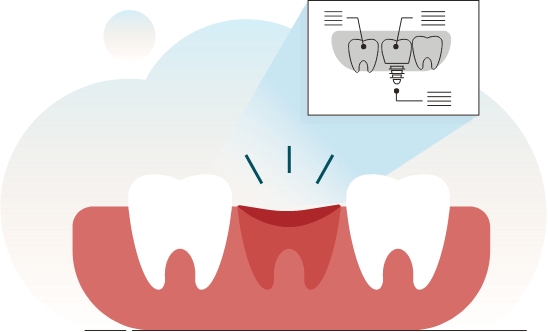
One missing tooth
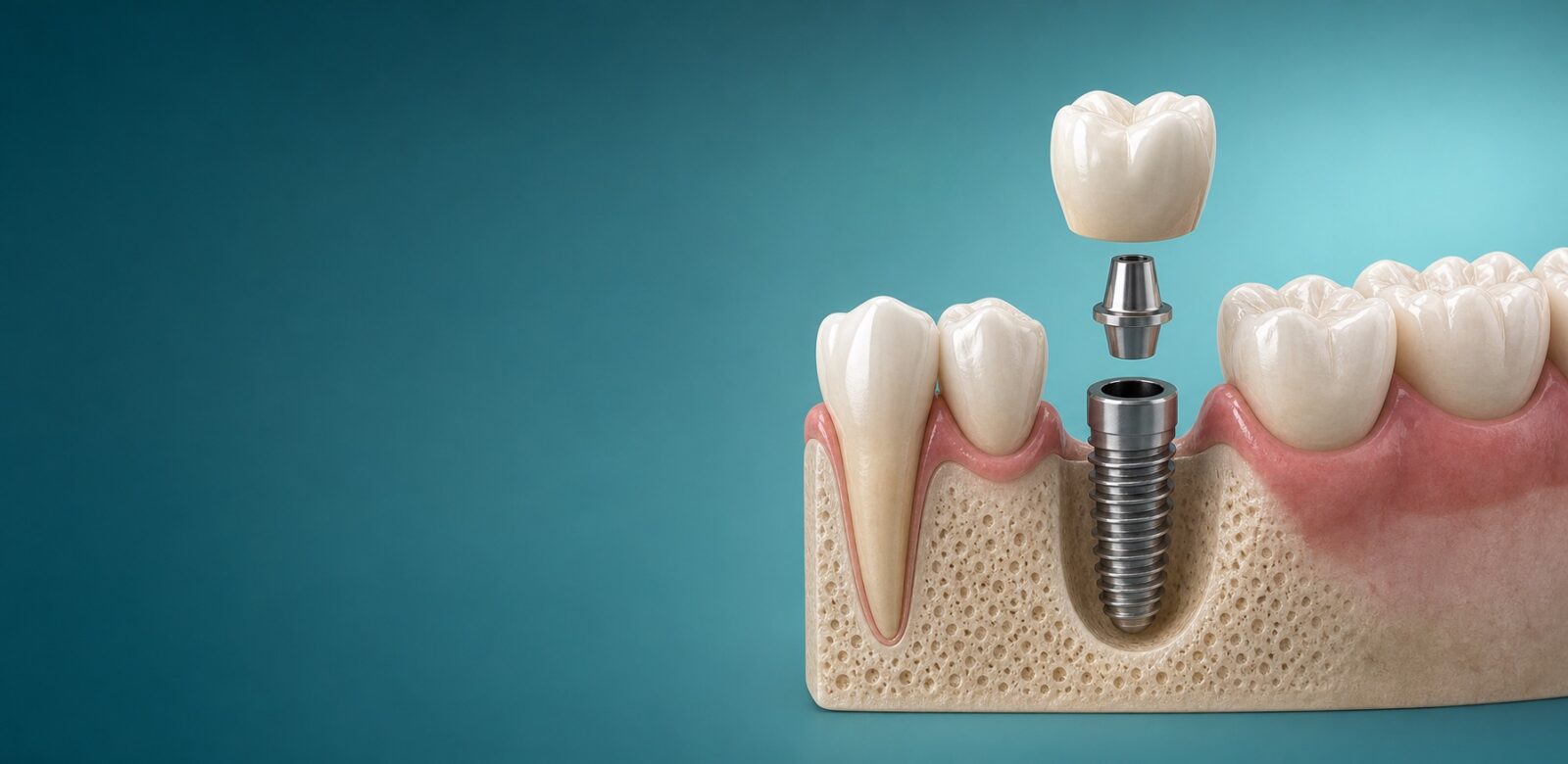
An implant may support a single crown without using the neighbouring teeth as bridge supports. Suitability is confirmed after assessment.
 Clinic updateView clinicBook an appointment
Dental implants can support a crown, bridge or denture. Your dentist will assess your oral health, bone, bite and treatment goals before recommending whether an implant—or another option—is suitable for you. Compare dental implants, bridges and dentures for missing teeth.
The right option depends on the number and position of missing teeth, the condition of your gums and bone, your bite, medical health and treatment preferences.
An implant may support a single crown without using the neighbouring teeth as bridge supports. Suitability is confirmed after assessment.
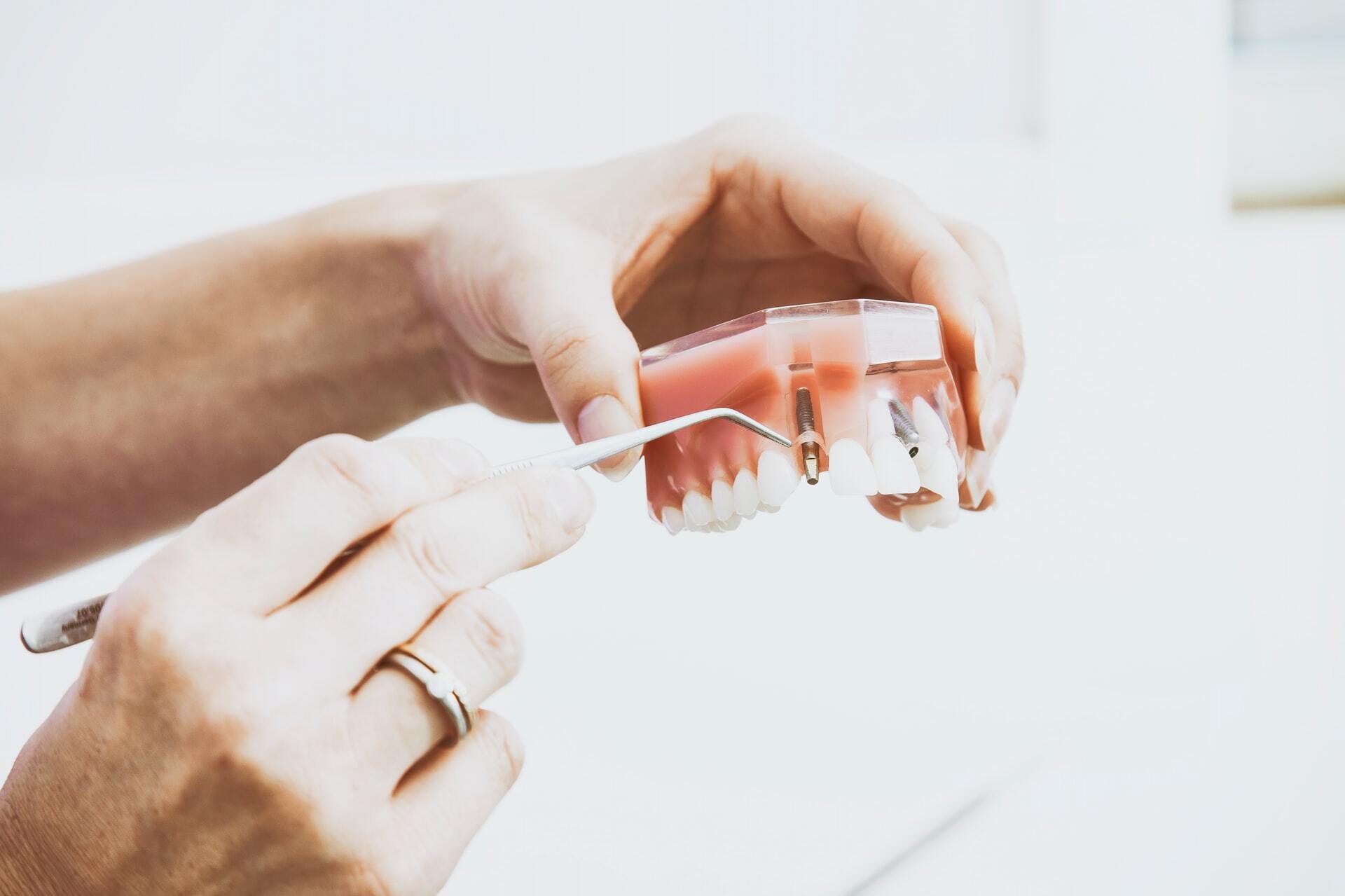
Implants may support a bridge or other restoration. The number and position of implants are planned for your individual case.
Implant-supported bridge or denture options may be discussed together with non-implant alternatives, expected maintenance and fees.
The sequence depends on factors such as available bone, implant position and your clinical needs. Your dentist will confirm the appropriate pathway after examination and the necessary imaging.
May be considered where there is sufficient healthy bone at the implant site. The implant is placed, allowed to heal and assessed before the final restoration is fitted.
Where additional bone support is required, augmentation may sometimes be carried out during implant placement. Suitability depends on the site and clinical findings.
Where more bone needs to mature first, augmentation may be completed before the implant is placed. The site is reviewed after healing before proceeding to the next stage.
For selected upper back-tooth sites, sinus augmentation may be recommended before implant placement. Your clinician will explain whether this is relevant to your case.
Fees and payment planning
Your total fee depends on your clinical findings and treatment plan. The main factors are explained below so you know what to expect before deciding whether to proceed.
Your dentist will explain the suitable options, expected stages, approximate timeline and ongoing care. You will receive a written, itemised estimate showing the recommended treatment, included items and applicable fees before proceeding.
Up to $1,950 for an eligible day-surgery episode
This comprises up to $1,120 for one implant insertion and up to $830 for eligible day-surgery charges. The amount claimable depends on the approved procedure, actual charges, your available MediSave balance and claim approval. Non-surgical components may not be claimable.
MediSave eligibility and withdrawal limits are subject to prevailing CPF and MOH rules and claim approval. Our team can provide an indicative MediSave estimate after your treatment plan is confirmed.
A clinical examination and appropriate X-rays or scans are needed before a recommendation can be made. Your dentist will discuss benefits, limitations, risks and alternatives—including a bridge or denture—so you can decide with clear information.
Start with a clinical assessment and discuss the available replacement options before deciding.

Clinical review
Oral & Maxillofacial Surgeon
Dr Chew is an accredited Oral and Maxillofacial Surgeon with the Singapore Dental Council. His qualifications include BDS (NUS), FRACDS, MDS (Oral & Maxillofacial Surgery, NUS) and FAMS, with further implantology training at UCLA.
Clinical content reviewed on .
We begin with a clinical examination and the records needed for your case, which may include X-rays, photographs or a 3D scan. Your dentist will assess your gums, bone, bite, medical history and the teeth around the gap, then discuss implant and non-implant options with you.

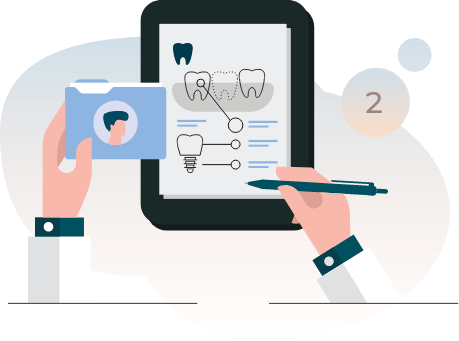
After reviewing your records, your dentist will explain which treatment pathway appears appropriate—including whether bone augmentation or specialist assessment is advised—the expected stages, healing time, main risks and benefits, alternatives and applicable fees before you decide whether to proceed.
The implant is placed surgically under local anaesthetic. Bone grafting is only added when clinically required. You will receive aftercare instructions and review appointments while the implant heals; the timing varies with the site, procedure and your individual healing response.
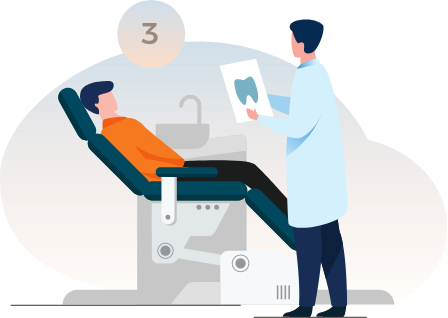

Once healing is assessed as satisfactory, scans or impressions are taken for the crown, bridge or implant-supported restoration. After fitting, regular cleaning, home care and dental reviews remain important for the health of the implant and surrounding gums.
Suitability depends on more than age. Your dentist will assess your gums, available bone, bite, medical history, oral hygiene, habits such as smoking, and the condition of nearby teeth. If an implant is not the preferred option, a bridge or denture may be discussed.
Your consultation usually includes a clinical examination and the records needed for your case, such as X-rays, photographs or a 3D scan. Your dentist will explain the findings, treatment options, expected stages, important risks and alternatives before you decide whether to proceed.
Local anaesthetic is used during implant placement. You may notice pressure during the procedure, and some tenderness or swelling can occur afterwards. Your clinician will provide aftercare advice and, where appropriate, medication to help manage the recovery period.
Not everyone needs bone grafting or a 3D scan. These are recommended only when the clinical examination and initial records indicate they are needed to assess anatomy, improve bone support or plan the procedure safely. Your dentist will explain the reason, additional stages and fees if either is advised.
Treatment is completed in stages: assessment and planning, implant placement, healing, and fitting the crown or other restoration. The overall duration varies with the site, bone condition, whether grafting is required and individual healing. Your clinician will provide an estimated timeline for your case.
Recovery varies with the number of implants and complexity of the procedure. Tenderness and swelling may occur for several days, while more involved surgery can require a longer recovery. Follow the personalised instructions provided and contact the clinic if you have concerns.
Implant longevity varies. Good daily cleaning, healthy gums, regular professional maintenance and management of risk factors all matter. The implant and the crown or other restoration are separate components, and either may require maintenance, repair or replacement over time.
Fees depend on the number and position of implants, the type of restoration, scans or records, case complexity, grafting and whether specialist care is advised. After assessment, the applicable stages and fees will be explained before treatment so you can make an informed decision.
MediSave may be used for eligible surgical components under prevailing rules, subject to the procedure and your available balance. The claimable amount varies by case. Our team can explain the applicable documentation and estimated claim after your treatment plan is confirmed. See the current MediSave guidance.
A clear first step
Bring any recent dental X-rays if you have them. Your clinician will assess the gap, discuss suitable replacement options and explain the next steps before you decide.
Specialist assessment is available when clinically appropriate.