
 Book an Appointment


Clinical review completed: 13 September 2026
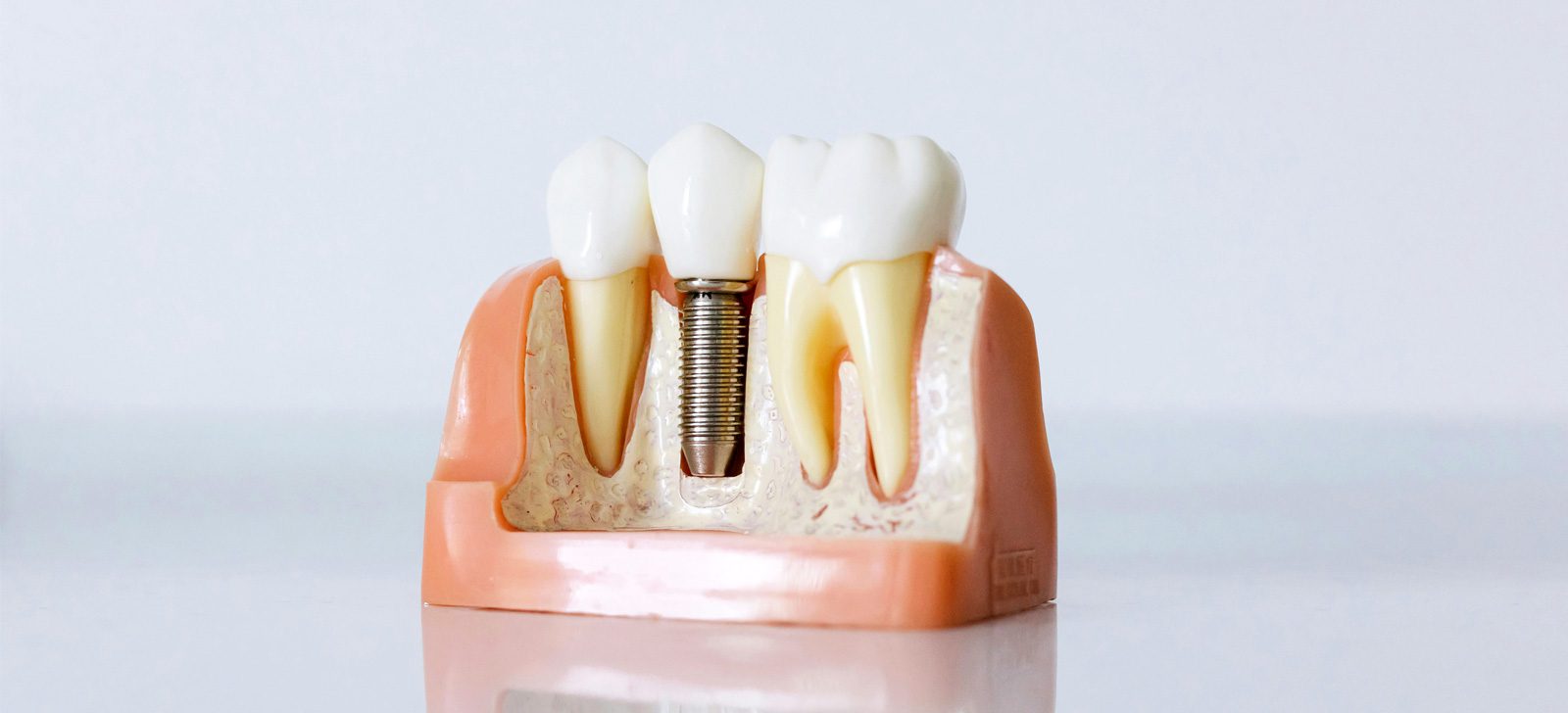
A dental implant is a support placed surgically in the jawbone for replacement teeth. It can support a crown, bridge or certain dentures. An implant may be useful, but it is not automatically the best option for every missing tooth.
What could an implant offer?
An implant can support replacement teeth without using neighbouring teeth as bridge supports. The restoration is designed around the gap and bite. Your dentist should explain whether the proposed replacement is fixed or removable and how you will clean it. American Dental Association: implants
What does assessment involve?
Planning considers gum health, remaining teeth, available bone, medical history, medicines, smoking and your ability to maintain daily cleaning. Examination and imaging are needed. Some patients require treatment of infection, bone augmentation or a specialist opinion before an implant can be considered.
Ask which findings matter in your case. A photograph or an advertised package cannot establish whether surgery is suitable for you.
Surgery, healing and maintenance
Implant treatment involves a surgical stage and a period of healing. The timing of the final tooth depends on the plan and how the tissues heal. It should not be assumed that every patient can receive a final tooth immediately.
Possible problems include infection, failure of the implant to integrate and damage to nearby structures. Your clinician should explain the risks related to the site and proposed surgery. Ongoing cleaning and reviews remain necessary; implant teeth are not maintenance-free or guaranteed for life. ADA: implant treatment
What are the alternatives?
A tooth-supported bridge or removable denture may be suitable. Sometimes implants can support a bridge or denture, so these terms are not mutually exclusive. Compare the options for the same missing teeth using our implant, bridge and denture guide.
What should the quotation include?
Ask whether the estimate includes the implant, connector, final tooth, imaging, temporary replacement, laboratory work and follow-up. Clarify possible additional treatment such as extractions or grafting. See implant assessment and cost information and request a case-specific estimate.
Questions before deciding
- Why is an implant suitable for this gap?
- What reasonable alternatives are available?
- Is additional treatment needed first?
- What are the main surgical risks and likely stages?
- How will I clean the final replacement?
- Who should I contact if a problem develops during healing?
Arrange an assessment
Find a Teeth Q clinic or request a dental appointment. Explain your concern when booking so the clinic can advise on the appropriate next step.
General information only. This article does not replace an individual examination, diagnosis or treatment plan.