

 Book an Appointment


Clinical review completed: 13 September 2026
Not every wisdom tooth needs surgery. A recommendation should consider symptoms, disease, the tooth’s position, nearby structures and the risks of treatment compared with leaving it in place. Hull University Teaching Hospitals: wisdom teeth
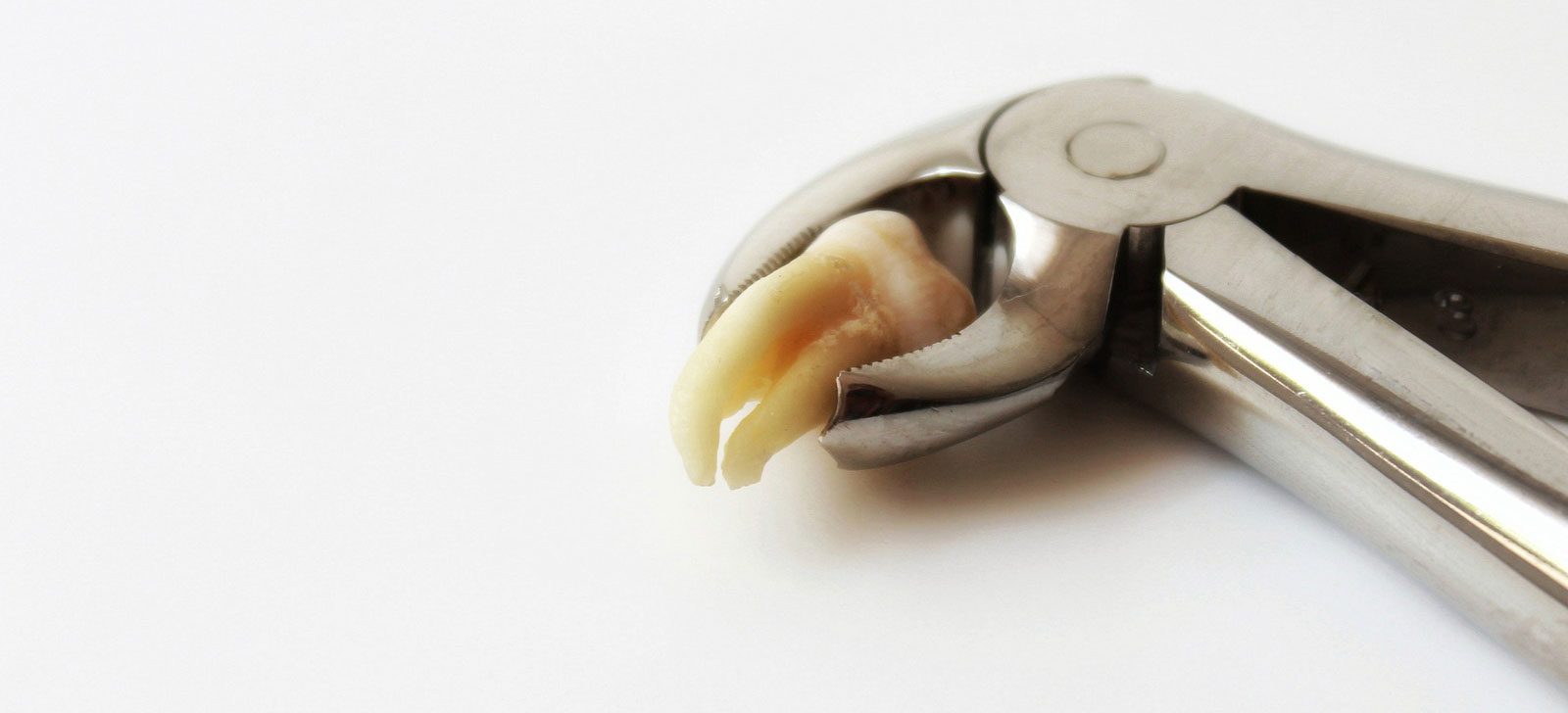
When might removal be discussed?
Repeated inflammation, decay, infection or damage associated with a wisdom tooth may lead to a discussion about removal. An impacted tooth is one that cannot erupt normally; being impacted alone does not explain whether it needs treatment. Examination and imaging help clarify the findings.
If a tooth is not causing problems and the risks are low, monitoring may be an option. Ask what should be reviewed and what symptoms should prompt an earlier visit. Hull University Teaching Hospitals: deciding about removal
Is extraction the same as surgery?
Some teeth can be removed with a relatively straightforward extraction. Others require access through the gum and sometimes removal of bone or division of the tooth. The clinician should explain what is expected for your tooth, including the anaesthetic and likely recovery needs.
What risks should be discussed?
Risks can include pain, swelling, bleeding, infection and dry socket. Lower wisdom teeth may lie close to nerves affecting sensation in the lip, chin or tongue. The individual anatomy matters. Ask whether additional imaging, specialist assessment or an alternative approach should be considered. Hull University Teaching Hospitals: risks and alternatives
Preparing for your consultation
Describe previous episodes of pain or swelling, food trapping and any recent treatment. Bring medical and medicine information, including allergies. Ask for a treatment estimate covering imaging, the proposed procedure and follow-up.
- What problem is removal intended to address?
- Is monitoring reasonable?
- How close is the tooth to important structures?
- What are the anaesthetic choices and preparation instructions?
- What time away from normal activities might I need?
- Who should I contact during recovery?
When pain needs earlier attention
Seek urgent advice for worsening swelling, fever or difficulty opening the mouth. Breathing or swallowing difficulty needs emergency medical attention. See wisdom tooth pain: when to see a dentist and our aftercare guide for the next stage of care.
Arrange an assessment
Find a Teeth Q clinic or request a dental appointment. Explain your concern when booking so the clinic can advise on the appropriate next step.
General information only. This article does not replace an individual examination, diagnosis or treatment plan.