
 Book an Appointment


Clinical review completed: 13 September 2026
Bleeding or swollen gums deserve attention. Gum disease affects the tissues supporting teeth, and more advanced disease can damage supporting bone. Prevention and early assessment matter, but a healthy-looking smile does not rule out a gum problem.
Gingivitis and periodontitis are different
Gingivitis is inflammation of the gums. Periodontitis involves damage to the supporting tissues and needs professional treatment. The dentist examines the gums and teeth, measures pockets and may take X-rays to assess bone. NIDCR: gum disease
What signs should you notice?
Bleeding during cleaning, redness, swelling, persistent bad breath, recession or teeth feeling loose should be discussed with a dentist. Gum problems may not be very painful. Do not assume that painless bleeding is harmless. NHS: gum disease
For a focused explanation, read our bleeding-gums guide or receding-gums treatment guide.
Build an effective daily routine
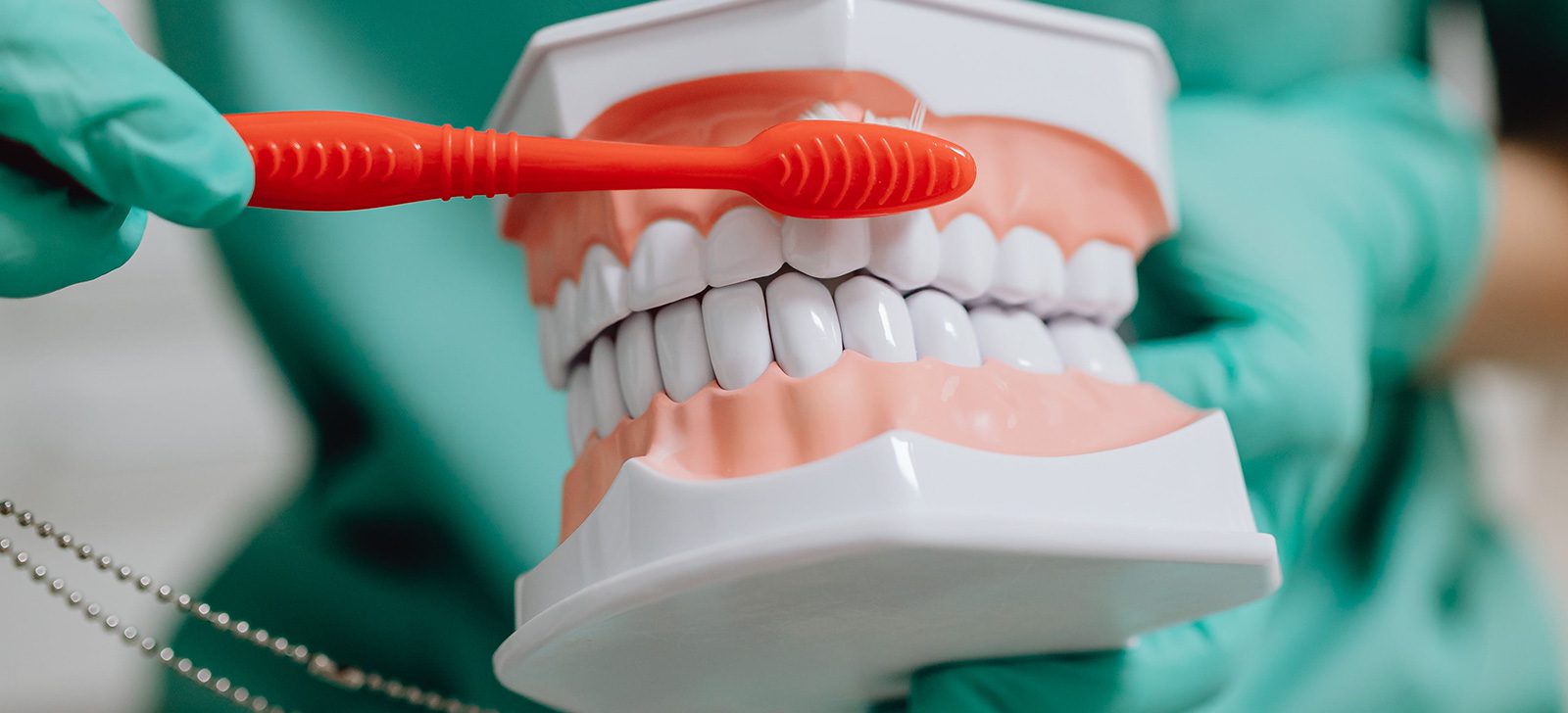
Brush twice daily with fluoride toothpaste and clean between teeth using a method suited to your mouth. Ask the team to demonstrate areas that are difficult to reach. Avoid hard scrubbing and keep attending dental reviews. If you use tobacco, ask for help to stop. NIDCR: prevention and home care
Mouthwash should not replace physical cleaning. If it is recommended, ask which product to use, for how long and how it fits around brushing.
What if disease is already present?
Treatment depends on the findings. It may include cleaning advice, professional removal of deposits, deeper periodontal cleaning or specialist care. Ongoing maintenance remains important after treatment. An ordinary scale and polish is not automatically the complete treatment for every gum problem. American Academy of Periodontology: non-surgical treatment
Prepare for an assessment
Mention bleeding, soreness, changes in the gumline and any loose teeth. Bring your medicine list and tell the dentist about relevant conditions such as diabetes. Ask what the measurements show and how progress will be reviewed.
- Is this inflammation only, or is supporting tissue affected?
- What treatment is needed now?
- How should I clean the difficult areas?
- What follow-up and maintenance should I expect?
- What will the proposed care cost?
Very painful swollen gums or a tooth becoming loose need urgent advice. Breathing or swallowing difficulty with swelling requires emergency care; see our emergency guide.
Arrange an assessment
Find a Teeth Q clinic or request a dental appointment. Explain your concern when booking so the clinic can advise on the appropriate next step.
General information only. This article does not replace an individual examination, diagnosis or treatment plan.