
Clinic updateTeeth Q Tampines is now openView clinicBook an appointmentExplore dental treatmentsChoose the care category that best matches your needs.

What is an Apicoectomy? Everything You Need to Know About Root-End Surgery

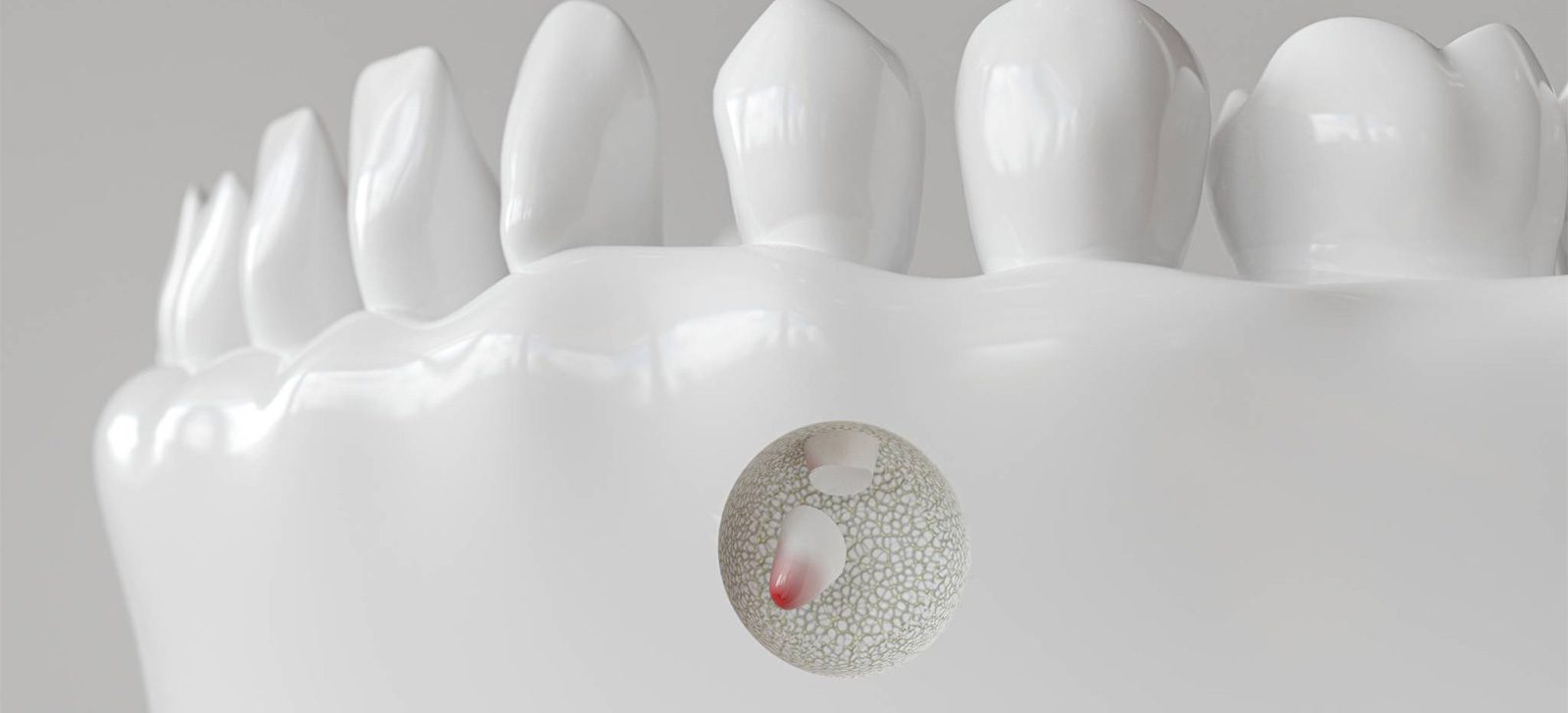
Apicoectomy, often known as root-end surgery, is a surgical dental procedure that offers a solution for preserving teeth that have not responded to traditional root canal treatment. It is a minor surgical procedure to remove the tip of a tooth’s root and any infected tissue in the surrounding area. This procedure serves as a last alternative to tooth extraction and is usually performed by an endodontist – a dentist specialising in treating the interior structures of the tooth.

Illustration of an apicoectomy root-end surgery procedure

Do You Need an Apicoectomy?

Root canal is often rendered to save an infected, decaying tooth due to cavities, repeated dental work or trauma. There are cases of persistent infection despite the patient undergoing root canal, especially in the root end area.

The causes of persistent infections may be due to the following:

  • Curved or blocked root canals
  • Small fractures in the root that went unnoticed
  • New infection developed after a prior root canal
  • Residual infection or inflammation at the root end area.

When such cases occur, an apicoectomy serves as an effective option for patients looking to preserve their natural tooth. This procedure offers an alternative to extraction and help them avoid the potential complications associated with tooth loss.

Procedure for Apicoectomy

Here’s an overview of an apicoectomy procedure:

  • Anesthesia: Local anesthesia is administered to temporarily numb the area around the affected tooth, ensuring a more comfortable experience during the procedure.
  • Incision: An incision is made in the gum tissue to expose the underlying bone and root tip. An access hole is then created in the bone in order to reach the root.
  • Removing Infected Tissue: The infected tissue surrounding the root tip is carefully removed, along with a small section of the root containing the root tip.
  • Filling and Sealing: The inside of the tooth is cleaned and sealed with a filling material to ensure bacteria cannot enter the root again. This helps to safeguard against future infections.
  • Closure: The gum tissue is carefully stitched back into place to promote effective healing. In some cases, the stitches used may dissolve naturally, while in other instances, the dentist will remove them during a follow-up appointment to ensure optimal recovery.

The duration of the procedure generally ranges from 30 to 90 minutes. This variation is influenced by factors such as the complexity of the case and the location of the tooth being treated.

Care and Recovery

Here are some things to look out for after an apicoectomy:

  • Discomfort and Swelling: Most patients experience only mild discomfort for a few days post-procedure. Pain relievers are prescribed for managing pain. Patients are also encouraged to use cold compress also to reduce and minimise swelling.
  • Antibiotics: Patients may be prescribed antibiotics to prevent infection post-surgery.
  • Oral Hygiene: Gently brush around the surgical site and avoid any pressure until the area is completely healed.
  • Rest: Avoid strenuous activities after the procedure. Most patients can resume their normal activities within one to two days after the procedure.

Considerations

An apicoectomy, like any surgical procedure, comes with some risks. That said, these risks are generally low. Some of the possible complications include the following:

  • Infection
  • Nerve damage (rare)
  • Bleeding
  • Post-operative swelling and discomfort

An endodontist will actively work to reduce any potential risks, and patients need to be informed about these factors. Open communication with your dentist can help address any concerns and ensure a positive treatment experience.

Apicoectomy, Root Canal and Extraction

For patients who have experienced one or more unsuccessful root canal treatments, an apicoectomy presents an effective solution to address infection while preserving the tooth. This procedure is less invasive than extraction and allows patients to retain their natural teeth. This offers significant advantages, such as improved chewing function and the preservation of jawbone density.

In the event that an apicoectomy does not alleviate the infection, extraction may become a viable option. At that point, alternatives like dental implants or bridges can be explored to ensure continued oral health and functionality.

Draft addition: When root-end surgery may be considered

An apicoectomy, also called root-end resection, may be considered when inflammation or infection persists around the tip of a previously root-canal-treated tooth. It is not automatically the next step for every unsuccessful root canal. The clinician first assesses the tooth, its restoration, the root-canal filling and the surrounding bone to determine whether nonsurgical retreatment, surgery, monitoring or extraction should be discussed.

During an apicoectomy, the gum is opened near the affected tooth so that the root end and surrounding tissue can be accessed. Inflamed or infected tissue is removed, a small portion of the root tip is resected and the end of the canal is sealed. The precise approach depends on the tooth and clinical findings.

Draft addition: Contact the clinic during recovery if

Patients should follow the clinician’s individual instructions. Earlier advice may be needed for bleeding that does not settle, swelling that continues to worsen, fever, a reaction to medication, severe pain that is not controlled as advised, or any symptom the patient finds concerning.

Continue your research

Explore the relevant service information or read the related guide:

Author

What is an Apicoectomy? Everything You Need to Know About Root-End Surgery

Teeth Q Editorial Team

The Teeth Q Editorial Team prepares patient education content for Teeth Q Dental Surgeons using reputable dental sources. Where clinical review is indicated, the named Teeth Q dentist or specialist has reviewed the final article before publication.

Featured Articles

Teeth Q central hotline
6970 5714
For voice calls only
WhatsApp
WhatsApp
8522 5374
For messages only