

 Book an Appointment


Clinical review completed: 13 September 2026
ICON resin infiltration can make selected white spots on teeth less noticeable. It works by allowing a fluid resin to enter porous enamel and reduce the colour contrast with the surrounding tooth. It is different from bleaching the overall shade of your teeth.
The first step is to find out what caused the mark. Not every white patch needs ICON, and some need a different treatment. A dental assessment helps establish whether improving its appearance, treating early decay, or both is appropriate.
Why do white spots appear on teeth?
Some white spots develop when enamel loses minerals during early tooth decay. Plaque bacteria produce acids from sugars and starches; repeated acid exposure can leave a chalky area. This can occur around braces, where cleaning is more difficult.
Other marks arise while enamel is developing, including fluorosis. Similar-looking patches can therefore have different causes. A photograph alone cannot reliably establish which treatment you need.
Early decay may be managed with preventive care before a hole forms. Fluoride supports remineralisation, but a persistent mark can remain a cosmetic concern. See NIDCR’s explanation of early tooth decay.
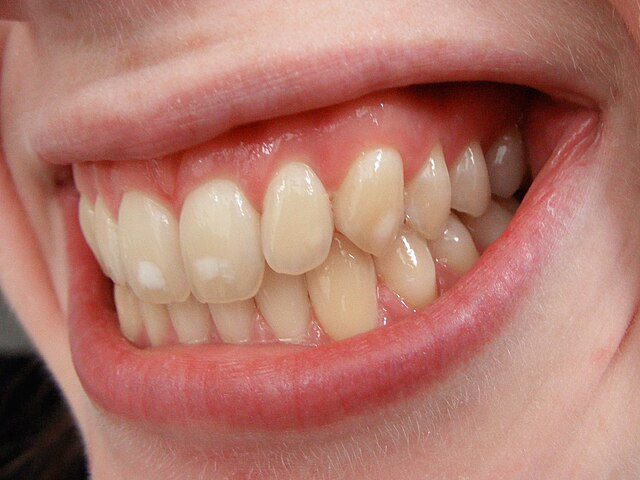
Which white spots may be suitable for ICON?
ICON may be considered for selected enamel lesions with an intact surface, including some white spots associated with braces and some mild-to-moderate fluorosis changes.
Your dentist will assess the cause, depth and condition of the enamel. A hole, broken-down enamel or a deeper defect may require a different approach. The teeth must also be suitable for keeping the treatment area dry and protecting the gums. Tell your dentist about any previous reactions to dental materials.
The manufacturer’s Icon Smooth Surface instructions, available under Downloads describe the indications and limitations. Suitability is individual; the aim is improvement rather than a guaranteed invisible result.
How is ICON different from teeth whitening?
Whitening aims to lighten tooth colour. ICON aims to blend a suitable white spot with the surrounding enamel. One treatment does not automatically replace the other.
Your dentist may discuss whitening before infiltration when both the overall shade and local patches are concerns. The sequence and timing should be planned for your teeth, rather than starting whitening products on your own. See DMG’s ICON treatment information.
Other options may include preventive care and monitoring, microabrasion for selected surface changes, or a restoration when there is a structural defect. Ask what each option would achieve and how much tooth preparation it involves.
What happens during treatment?
After assessment and consent, the dentist generally:
- Cleans the tooth and protects the surrounding tissues.
- Prepares the enamel surface so the resin can reach the lesion.
- Applies the infiltrating resin and hardens it with a dental curing light.
- Finishes and polishes the surface, then assesses the appearance.
ICON is described as micro-invasive. It does involve surface preparation: the etching stage removes a superficial enamel layer to gain access to the lesion. It should not be described as leaving enamel completely untouched. The preparation required depends on the lesion. See the manufacturer’s etching instructions, available under Downloads.
Does ICON hurt, and how long does it take?
Suitable cases can often be treated without conventional drilling or an injection, and treatment may be completed in one session. This does not guarantee that every patient will feel no discomfort or finish within a fixed time.
Ask your dentist how long to allow for your particular teeth, including any additional preparation or separate whitening. Tell the team if you have sensitivity or are anxious, and let them know if anything feels uncomfortable during treatment.
The etching material can irritate or injure soft tissues if it contacts them, which is why gum protection and professional handling matter. Allergic reactions to components are also possible. Your dentist should explain the relevant risks before you decide.
Will the white spots disappear permanently?
The amount of improvement varies. A spot may blend better without disappearing completely, and results from another patient’s photographs cannot predict your outcome.
A 2024 randomised clinical trial in patients with fixed braces found that resin infiltration improved the appearance of selected white spots, with improvement maintained at six months. That supports its use in suitable cases; it does not establish that every kind of white mark will disappear permanently.
Continue your dentist’s preventive advice and reviews. Improving a mark’s appearance does not remove the need to control the causes of tooth decay.
How much does ICON treatment cost in Singapore?
Ask for an individual written estimate after assessment. Check whether the quote is for each tooth or the whole treatment plan, and whether assessment, any additional preparation, whitening and follow-up are included.
Before deciding, ask:
- What is causing my white spots, and why is ICON suitable?
- How much improvement is realistic for these teeth?
- Would preventive care or another treatment be more appropriate?
- What happens if a visible patch remains?
- What is the total estimated fee, and what could change it?
For Teeth Q’s treatment information, visit our ICON resin infiltration service page. To have a white spot assessed, book a dental appointment or find a clinic and contact details.
General information only. Diagnosis, treatment suitability and expected results require an individual dental assessment.